

Hiring an interpreter for a business event, conference, or seminar is more than just arranging a translation service — it’s about building a reliable bridge between languages and cultures. To make this collaboration successful, clear communication between the client and the interpreter is essential from the very beginning.
In this article, you’ll learn:
- What interpreters need before an event
- What materials to provide
- How to choose between simultaneous and consecutive interpretation
- Why early communication with interpreters is crucial
Why Preparing Your Interpreter Matters
One common misconception is that interpreters simply show up and start translating. In reality, professional interpreters begin working well before the event takes place.
Early preparation allows interpreters to:
- Familiarize themselves with the subject matter
- Learn the specific terminology used in your field
- Understand the event’s structure, speakers, and goals
Without this context, even the most experienced interpreter may struggle to deliver the best possible service.
What Should Clients Provide to Interpreters?
If you’re wondering what information interpreters need to prepare effectively, here’s a checklist:
Event Details
- Date, time, and duration
- Location (or online platform)
- Event type: conference, panel discussion, workshop, etc.
Content and Materials
- Preliminary or final program
- Titles of presentations and names of speakers
- Slides, scripts, background documents, recordings
Saying “the event is about medicine” isn’t enough. Is it about cardiology? Oncology? Medical devices? The more specific the topic, the better we can prepare.
✅ The quality of interpretation depends heavily on the quality of information provided.
What About Confidentiality?
Some clients hesitate to share materials due to privacy concerns. That’s completely understandable.
However, it’s important to know that professional interpreters are bound by strict confidentiality and professional ethics. We are always willing to sign Non-Disclosure Agreements (NDAs) to ensure that your sensitive information remains protected.
Simultaneous or Consecutive? Choosing the Right Mode
When organizing an event with interpretation, selecting the right mode is key. The two most common options are:
Simultaneous Interpretation
- The interpreter speaks in real-time while the speaker is talking
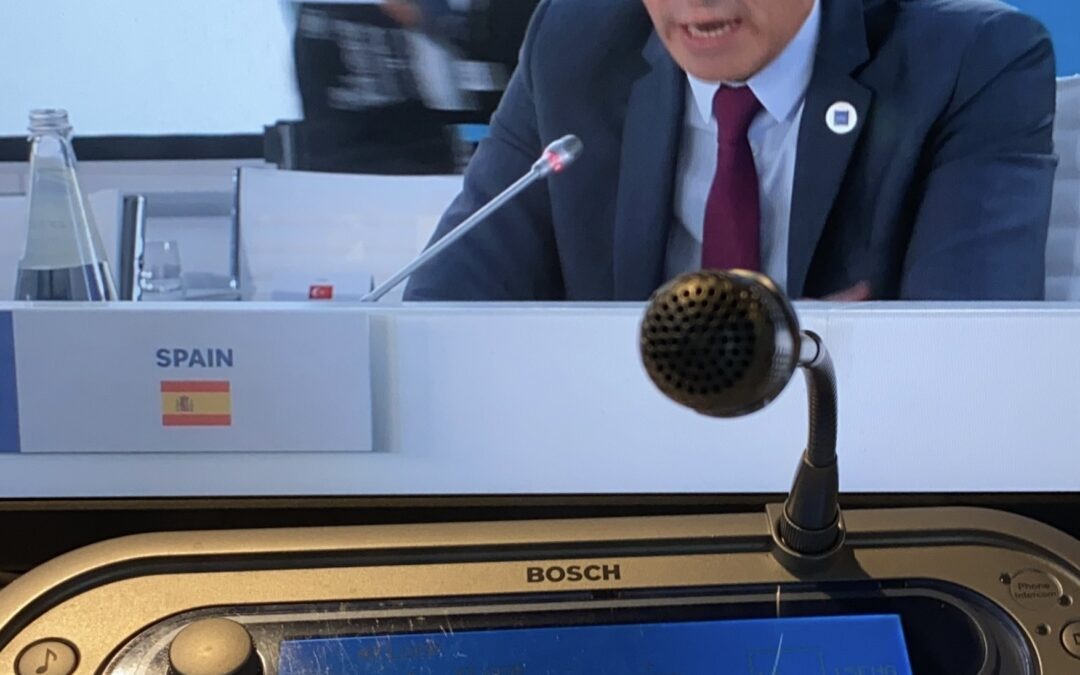
- Requires soundproof booths or portable equipment (tour guide system)
- Best for large conferences, multilingual events, or when time is limited
Consecutive Interpretation
- The speaker pauses while the interpreter translates segments
- No special equipment needed
- Ideal for interviews, roundtables, or small group discussions
💡 A professional interpreter can help you choose the most effective option based on your event format and objectives.
Why You Should Involve the Interpreter Early
Involving interpreters in the planning process helps avoid last-minute issues. It also gives us time to:
- Coordinate with technical staff
- Plan equipment needs (booths, microphones, receivers)
- Clarify terminology and expectations
Early communication leads to better performance on the day of the event.
Final Thoughts: Quality Interpretation Is a Team Effort
Working with a professional interpreter is not just a transactional service — it’s a strategic collaboration. We help ensure that your message is delivered clearly, accurately, and with the right tone to your international audience.
👉 If you’re planning a multilingual event, involve your interpreters early. The success of your message depends on it.
If you’d like more information or have any questions, feel free to get in touch here